ETHAIVISA

DTV Visa Thailand | Apply Destination Thailand Visa with Experts

DTV Visa (Destination Thailand Visa)

Complete DTV Visa service for Workation, Thai Soft Power and dependents A 5-year long-stay visa with up to 180 days per entry Unlimited entries into and out of Thailand

We are a company specialising in visas and work permits in Thailand, providing full-service consultation and application assistance. Since July 2024 we have offered dedicated consultation and application support for foreigners who wish to apply for the DTV Visa Thailand, also known as the Thai Soft Power Visa, and to date we have successfully helped more than 5,000 clients. Get a free preliminary eligibility check and professional support at every step to maximise your chances of DTV Visa Thailand approval with our service today.

How to Apply for a DTV Visa

4 steps to apply for a DTV Visa with us

Just 4 simple steps to get your DTV visa with Ethaivisa — convenient, hassle-free, full support to completion, with after-sales follow-up. Satisfaction guaranteed.

01
Contact / Consultation
Contact our team

We assess your eligibility and plan your document preparation appropriately to meet the requirements before starting the application process.

02
Document Preparation
Prepare documents

We gather the necessary documents and carefully verify their accuracy to prevent delays or issues during the submission process.

03
Embassy Submission
Submit documents

We prepare all documents completely and submit them correctly through the embassy channel, along with payment of the relevant fees.

Receive Approval
Receive documents

We submit the application to the embassy on your behalf and keep you updated on progress until approval is complete.

Payment → Prepare Documents → Apply → Receive Documents

DTV Visa Benefits

Why Choose the DTV Visa?

สมัครได้ทางออนไลน์

Apply online

ระยะยาว 5 ปี

Tourist visa
5-year validity

อยู่ในไทยได้สูงสุด 180 วัน

Stay in Thailand up to
180 days

เข้า - ออกได้ ไม่จำกัดครั้ง

Entry - exit
unlimited times

DTV Visa 2026

Who Is the DTV (Destination Thailand Visa) Really For?

Although the eligibility criteria are broad, in practice the DTV (Destination Thailand Visa) has been strategically designed for 3 main groups of applicants:

Workation

Remote work through online systems, such as Digital Nomads, Remote Workers, Freelancers, and entrepreneurs/business owners.

View service details

Dependents

Dependents of DTV visa holders, including legal dependents such as spouses and children under 20 years of age of an existing DTV visa holder.

View service details
Minimum Qualifications

General Basic Eligibility Criteria for the DTV Visa (Latest 2026)

To be eligible to apply for the DTV (Destination Thailand Visa), applicants must meet the following requirements:

Age requirement

Applicants must be at least 20 years old on the date of application.

Immigration history

Applicants must have no history of being blacklisted or of overstaying.

Criminal record

Applicants must have no record of conviction for a serious criminal offence that could pose a risk to Thailand's national security.

Proof of funds

Applicants must show proof of a bank deposit of no less than 500,000 THB (approximately USD 16,000). The full amount must be shown at the time of application.

Please note: digital assets (cryptocurrency) and securities investment portfolios cannot be used as proof of funds.
Applicants must apply only from the country of which they hold nationality or in which they hold Permanent Residence. Applications submitted from third countries, including Thailand's neighbouring countries, are no longer accepted.
Document Checklist

Thailand DTV Visa Document Checklist – Updated for 2026

Checklist of the required documents for a DTV (Destination Thailand Visa) application

Core Documents (mandatory for all applicants)

  • Passport with at least 6 months of remaining validity
  • Passport-size photograph
  • Proof of permanent residence or nationality in the country where you are applying (e.g. national ID card, residence permit or long-term visa, depending on your status)
  • Proof of financial stability showing a bank account balance of no less than 500,000 THB (approximately USD 16,000)
  • Police clearance certificate (or equivalent criminal record certificate) issued by the relevant authority in your home country or country of residence
The issuing authority, fees and processing times vary from country to country. Some certificates can take several weeks to process, so you should apply in advance and check the specific requirements with your local issuing authority before submitting your DTV visa application to the embassy.

Specific Documents: Workcation (remote work)

For Employees
  • Employment contract or employment certificate
  • Letter from your employer confirming your remote work status and salary
  • Recent payslips or personal income tax returns (optional, but recommended)
For Business Owners
  • Certificate of company registration or business licence
  • Corporate income tax returns
  • Cover letter outlining your business activities, revenue model and how the business is operated remotely
For Freelancers
  • Professional portfolio or past projects
  • For example: recent invoices, service contracts or links to your active work profiles on professional platforms

Specific Documents: Thai Soft Power Activities

  • Official confirmation letter from the organising organisation or institution (e.g. Muay Thai camp, Thai cooking school or hospital)
  • Commercial registration certificate or business licence of the organising institution, showing that it is a legally registered entity
  • Proof of the activity's duration; courses generally need to run for at least 6 months

Specific Documents: Spouses and Dependents

  • Proof of relationship, such as a marriage certificate, birth certificate or adoption documents, confirming your relationship with the main DTV visa holder
Visa Comparison

Comparing the DTV with Other Long-Stay Visa Options in Thailand

The DTV visa has a simpler, more accessible process than the LTR visa. The best option for you depends on your work rights, budget, tax planning and long-term goals. If the DTV visa may not be the best fit, you can compare it with Thailand's other long-stay visa programmes in the details below.

Scroll the table left or right to see all the information

Comparison criteria
Feature Comparison
DTV Visa
(Destination Thailand Visa)
LTR Visa
(Long-Term Resident)
Thailand Privilege Visa
(formerly Thailand Elite)
Best suited forBest For Digital Nomad & Freelance
  • International remote workers
  • International freelancers
  • Soft Power activity participants (Muay Thai, cooking, music)
High Earners & Talent
  • Highly skilled professionals (Tech / Executives)
  • High-income earners and foreign investors
  • Wealthy global retirees
VIP & Hassle-Free
  • VIP business people and travellers
  • Those who want maximum convenience
  • No need to show income or financial documents
Fees / costsCost ~10,000 THB
(one-time visa fee per 5 years)
50,000 THB
(10-year residence visa fee)
650,000 – 5,000,000+ THB
(membership fee by package: Gold, Platinum, Diamond, Reserve)
Visa validity and length of stayValidity & Stay 5 years (Multiple Entry)
• Stay up to 180 days per entry
• Can be extended in Thailand for another 180 days (fee 1,900 THB)
10 years (5 years + renewable for another 5 years)
• Long, continuous stays
• Unlimited entries to and exits from Thailand (Multiple Entry, no Re-entry Permit needed)
5 – 20 years (depending on membership package)
• Stay 1 year per entry (continuously extendable)
• Unlimited entries to and exits from Thailand
Financial requirementsFinancial Proof Bank deposit of no less than 500,000 THB
(or the equivalent on the date of application)
High income and asset thresholds:
• Minimum income of $80,000 USD/year (or $40,000 USD under special criteria)
• Or a minimum investment in Thailand of $500,000 USD
No proof of funds required
(no minimum income threshold – you only need to pass the background check and pay the membership package fee)
Right to work in ThailandWork Rights Remote work only
• You may legally work remotely for overseas employers/clients
*Working for or being hired by companies in Thailand is prohibited
Eligible to apply for a Digital Work Permit
• May work for a Thai company or set up a business
*Exempt from the 4:1 Thai employee ratio
Focused on residence and travel
• Remote work is permitted
*To work in Thailand you must obtain a separate Non-B visa and Work Permit
Tax benefitsTax Treatment Standard personal income tax rates
Based on the rule of staying more than 180 days and on income remitted into Thailand
Significant tax benefits:
• 17% flat tax rate for High-Skilled Professionals
• Tax exemption on foreign-sourced income
Standard personal income tax rates
No special tax deductions or benefits
90-Day Reporting90-Day Reporting Must report every 90 days
(when staying in Thailand continuously for more than 90 days)
Reporting interval extended to 1 year
(convenient 1-Year Reporting – no need for frequent immigration visits)
Handled for you by an agent service
(free Concierge Service reporting on your behalf)
Special services and VIP channelsPrivileges & VIP No special services
(use the standard counters and procedures)
• Fast Track lanes at international airports
• Services via the One Stop Service Center (OSOS)
• Limousine airport transfers
• VIP Fast Track lanes + Airport Lounge
• Golf, spa and health check-up privileges
Value verdictVerdict
⭐ Most affordable and flexible
Ideal for young professionals, tech workers and foreign freelancers
⭐ Best value for tax and business
Ideal for executives, specialists and investors
⭐ The ultimate in convenience
Ideal for those who want VIP privileges without showing financial documents
* Information is based on the requirements of the Ministry of Foreign Affairs, the Board of Investment (BOI) and Thailand Privilege Card Co., Ltd. Details may change in line with government policy.
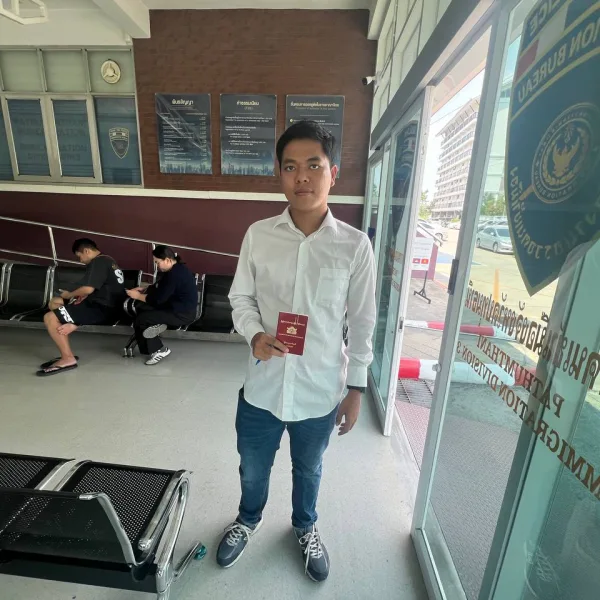
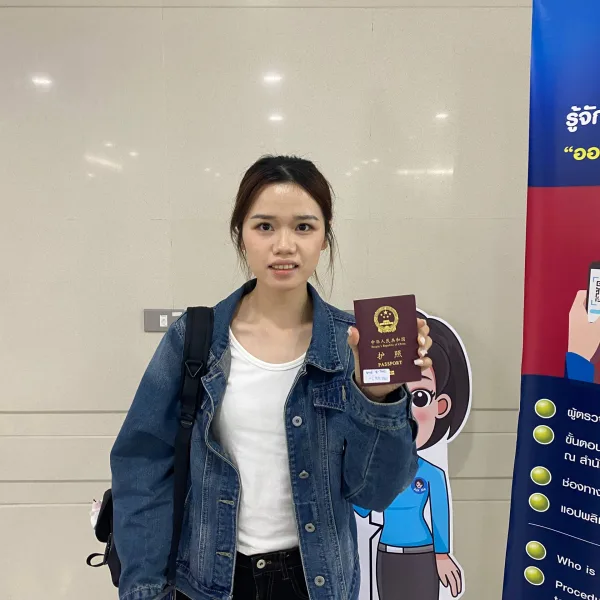
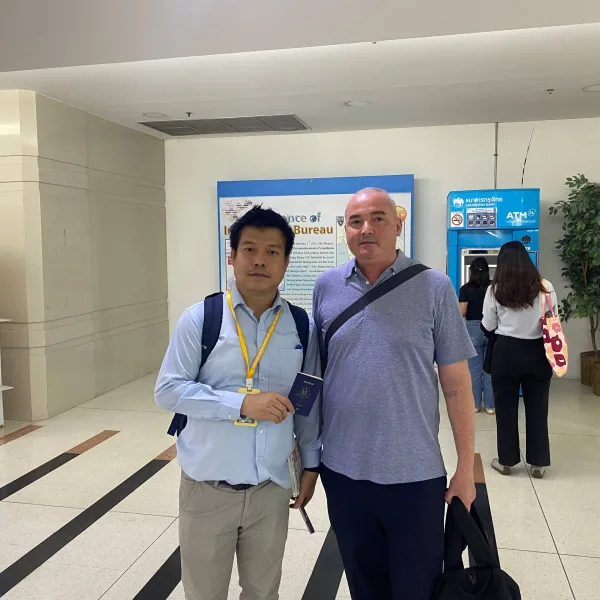
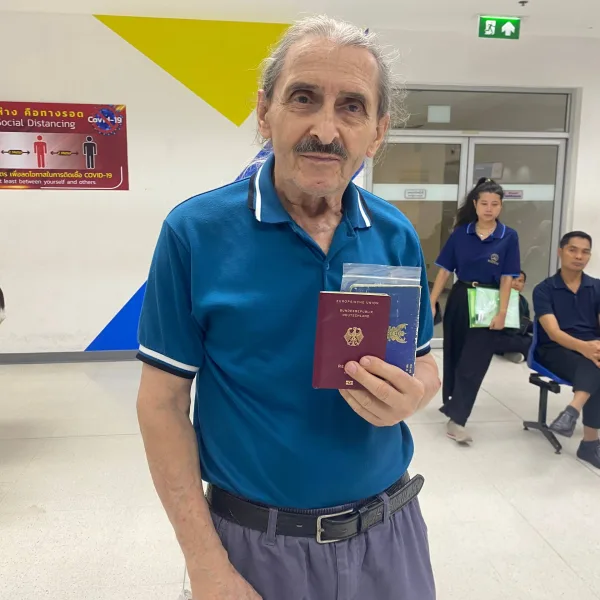
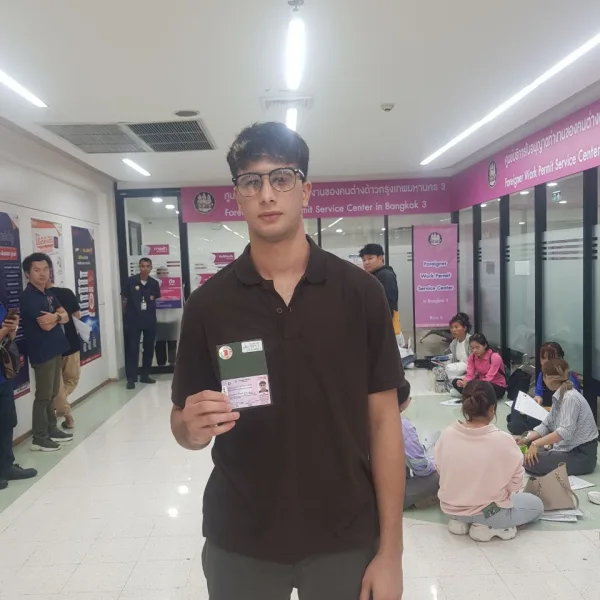
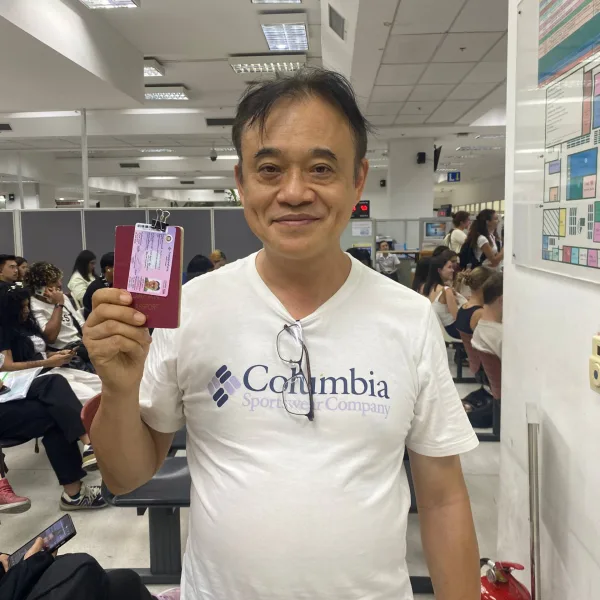
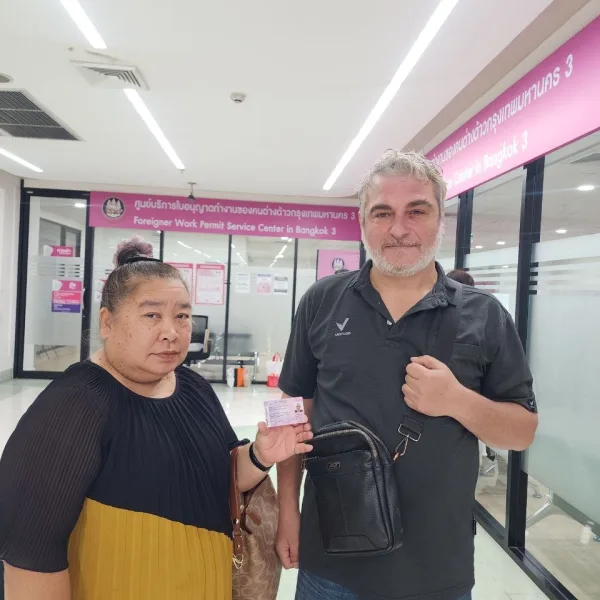
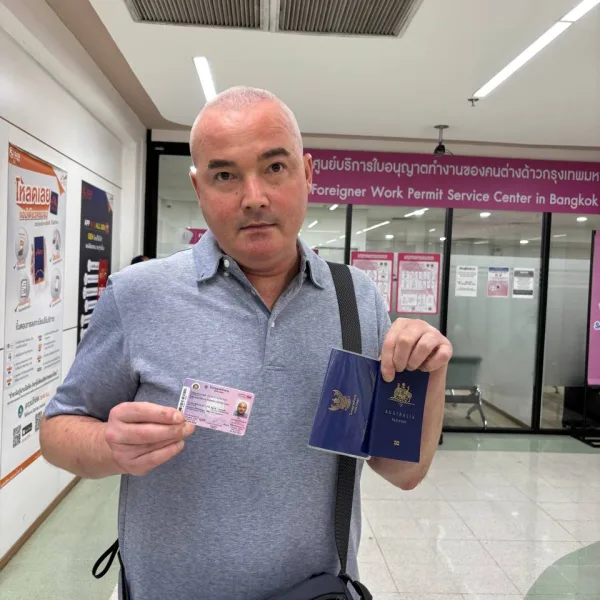
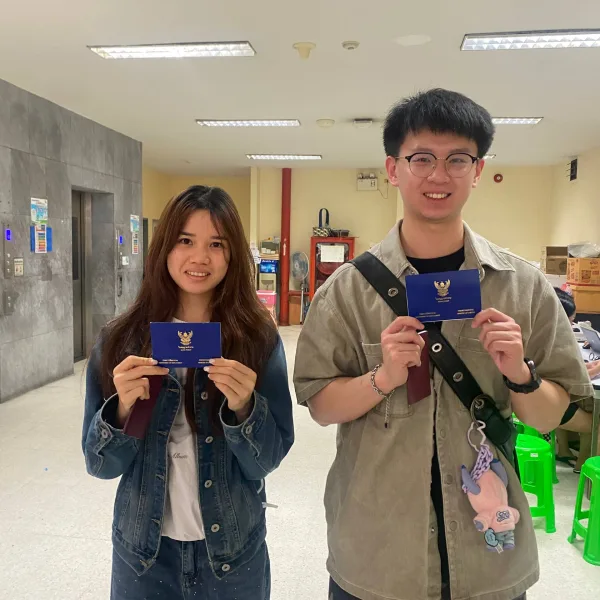
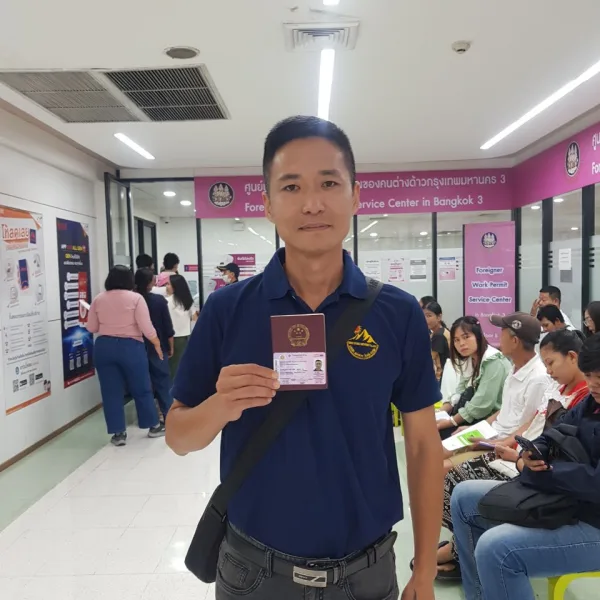
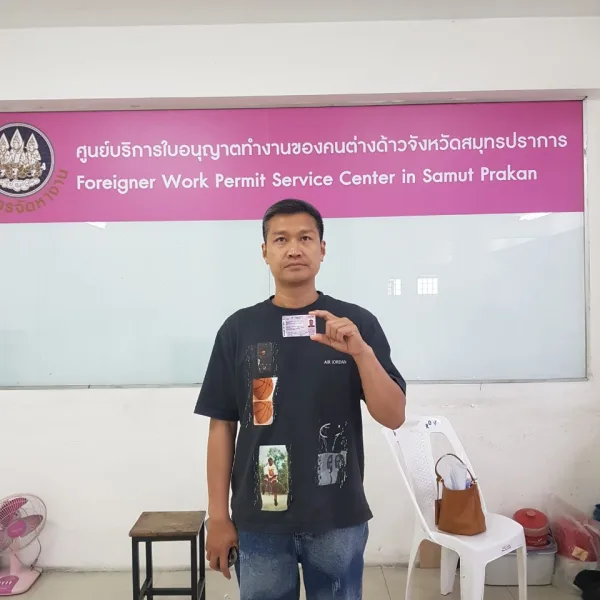
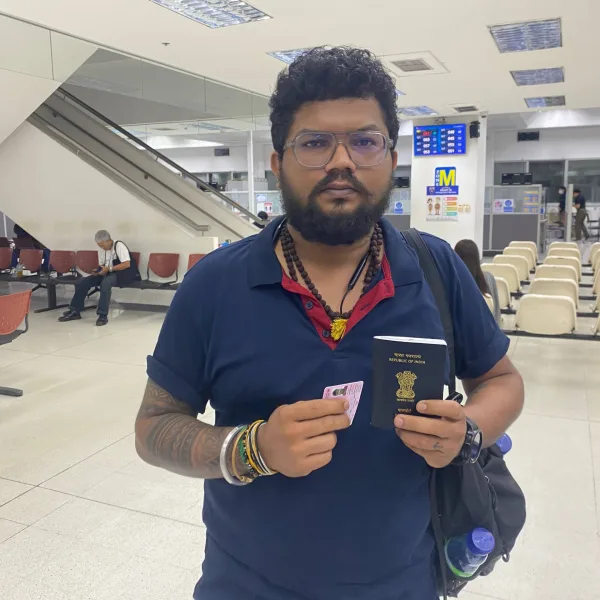
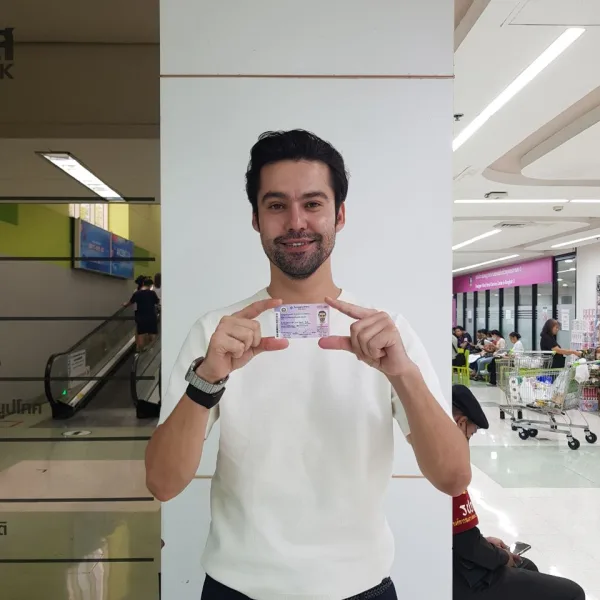
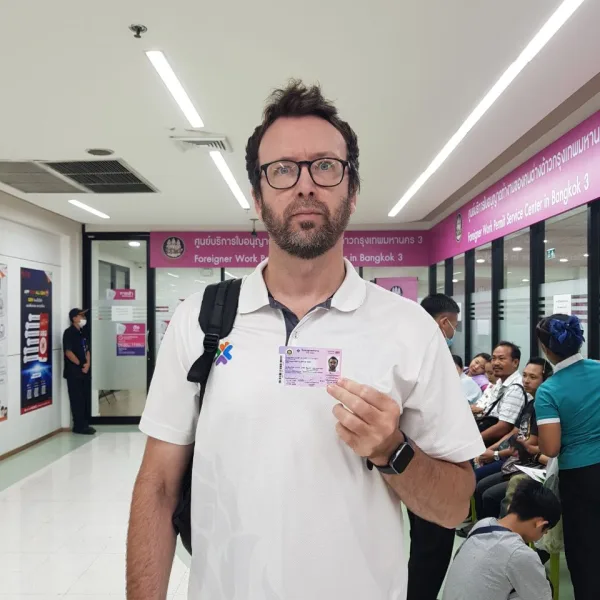
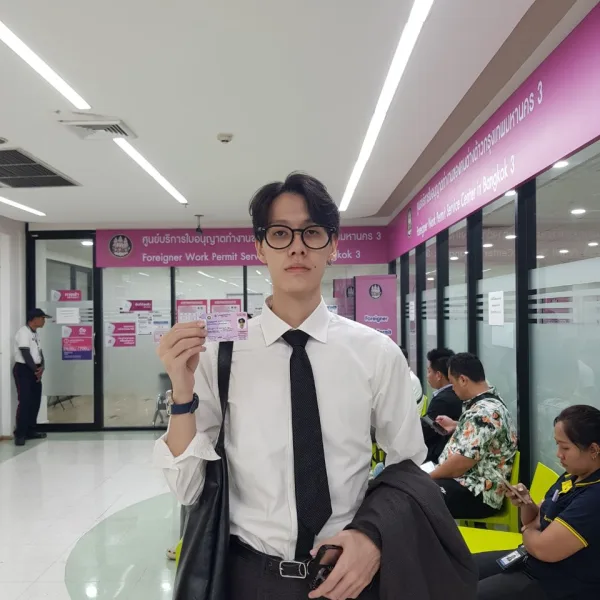
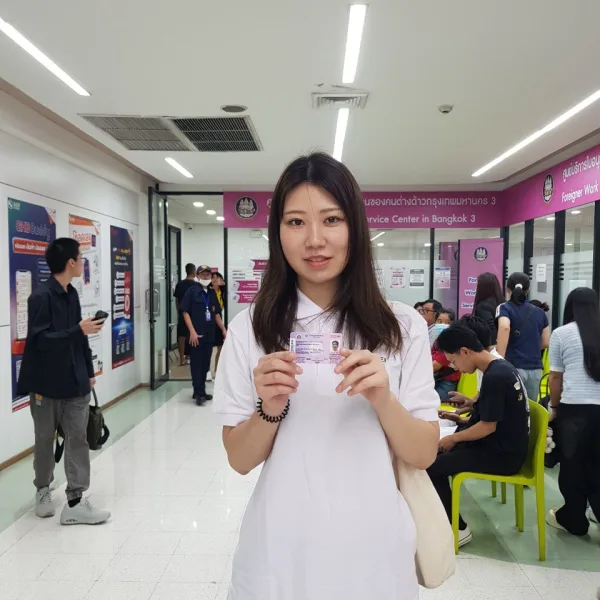
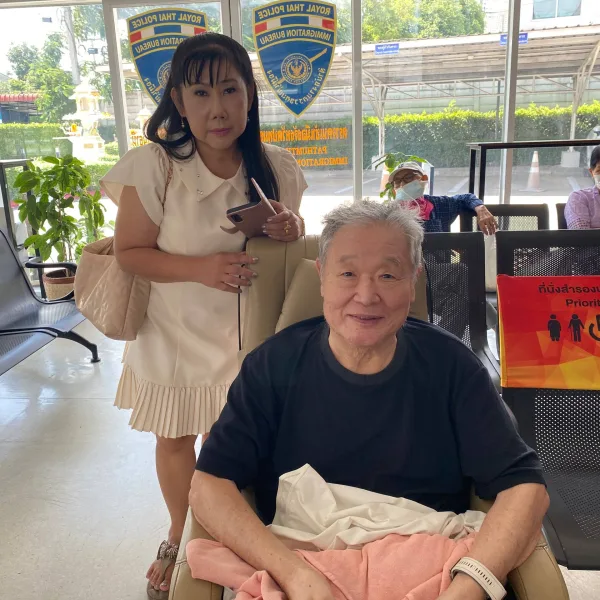
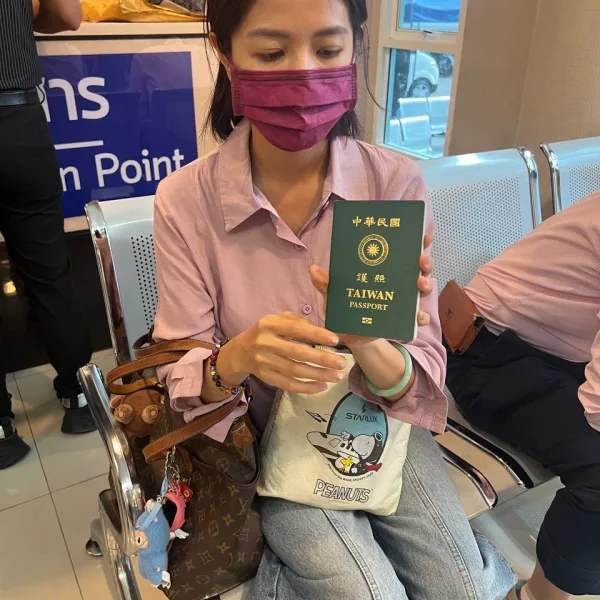
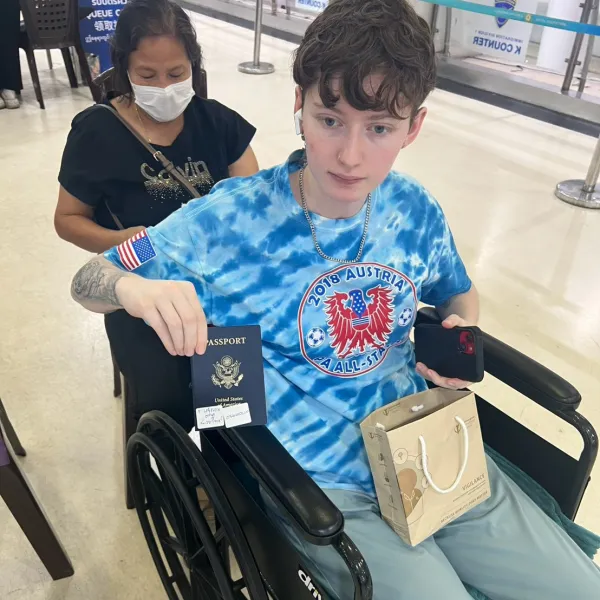
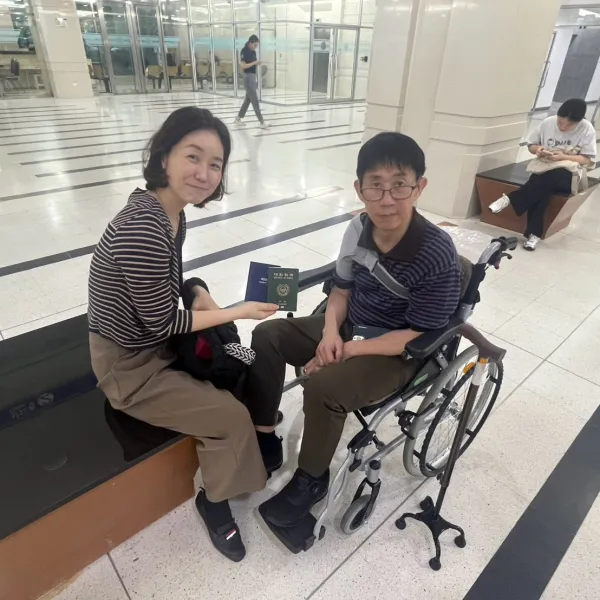
Portfolio

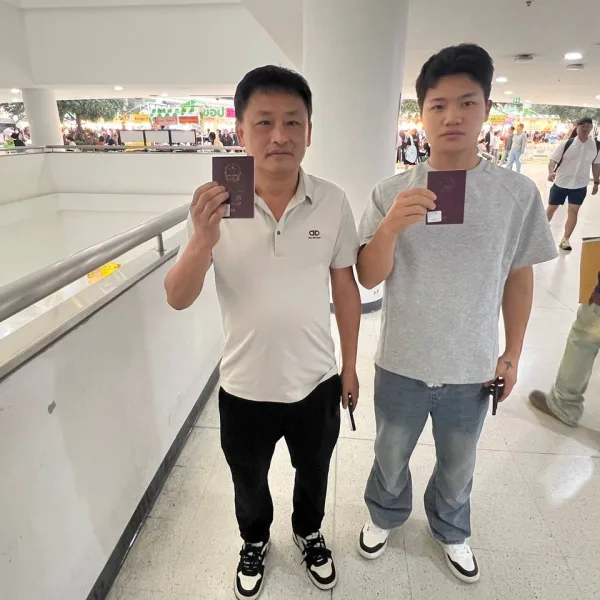
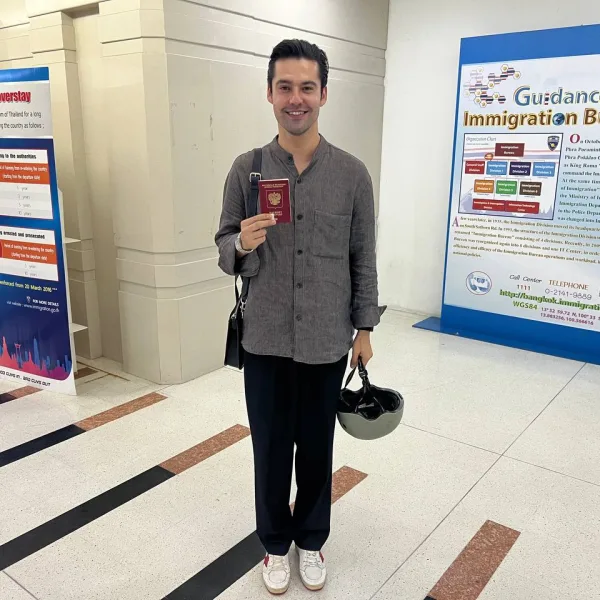
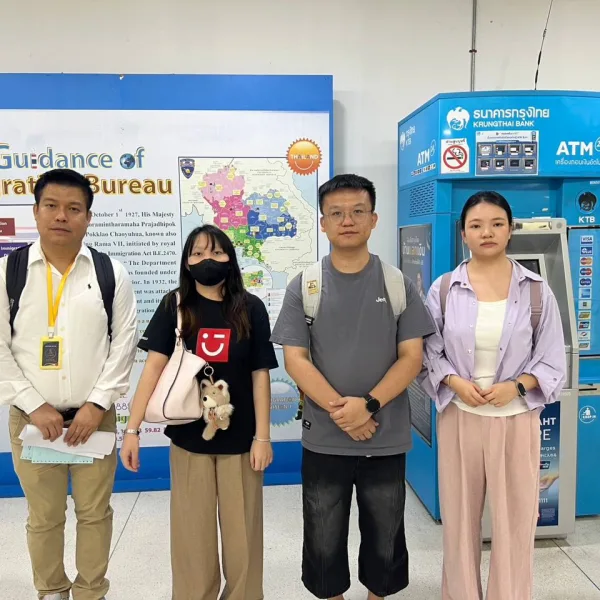
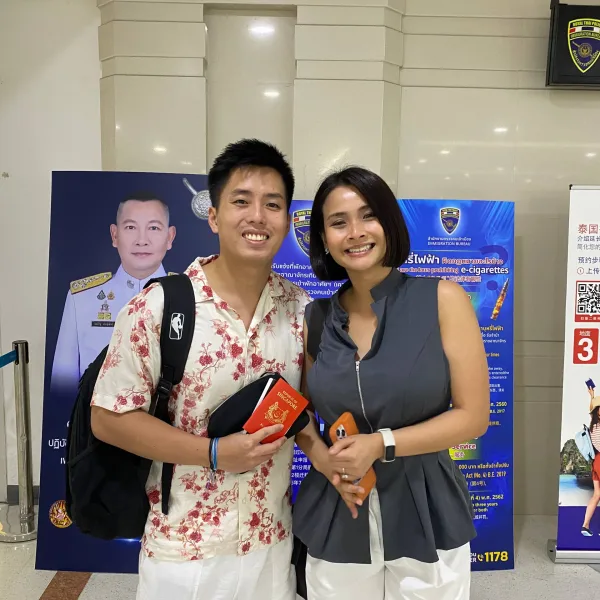
Our past work

Clients have trusted us to handle both visa and work permit matters, with every step running smoothly and delivering real results. We offer a wide range of services to ensure your utmost satisfaction.

Destination Thailand Visa FAQ

FAQ: Popular Questions about the DTV Visa (Destination Thailand Visa) & Accompanying Family

The DTV is a new type of long-term, multiple-entry visa designed for digital nomads, freelancers and people coming to Thailand for Soft Power activities. The key difference is that a tourist visa only lets you stay 30-60 days, whereas the DTV allows you to stay up to 180 days per entry, and the visa itself is valid for a full 5 years, with unlimited entries and exits.

The standard Ministry of Foreign Affairs fee is 10,000 THB (or the equivalent in the local currency of the country where you apply). It is a one-time payment that covers the full 5 years (agency service fees not included).

Yes. Once your first 180 days are up, you can apply for an extension of stay at the Immigration Bureau in Thailand for another 180 days (immigration fee: 1,900 THB). One extension is allowed in Thailand per entry. In simple terms, you can stay for up to a full year without having to leave the country at all.

After staying a full year, you simply leave the country (a border run) and fly back in. Your 180-day entitlement is reset and starts again from day one immediately, under the 5-year multiple-entry visa.

No. The DTV allows you to work remotely for companies abroad or to carry out temporary activities only. If you want to take up a position, work full-time or receive a salary from a legal entity in Thailand, you must change your visa type to a Non-B and apply for a Work Permit under the normal labour laws.

Every applicant must show proof of funds in the form of a bank deposit of no less than 500,000 THB (or the equivalent in another currency) on the date of application, to demonstrate that they have sufficient means for a long-term stay in Thailand.

One advantage of the DTV is that most embassies check your current ending balance, which must be no less than 500,000 THB on your latest statement. However, some embassies may ask to see 3 months of history for transparency, so having the funds in place a little in advance is the safest approach.

You can use a professional portfolio showing your past work, freelance project contracts, or evidence of past payments received from overseas clients to prove your remote-working status.

It is an entitlement for people who intend to learn about or take part in Thai cultural activities over the long term, such as Muay Thai training, Thai culinary classes, short courses/seminars, and art and music performances. It also covers people coming to Thailand for medical treatment.

You need an 'official letter of acceptance' from a properly registered institution, Muay Thai camp, cooking school or hospital in Thailand. The letter must clearly state the applicant's name, course details and duration, and must be accompanied by that organisation's business licence.

It is quite difficult, and the chances of approval are very low. Although the rules are broad, embassies usually assess whether the timeframe is reasonable. For a very short course, the embassy will recommend a tourist visa instead. A Soft Power course that passes smoothly for a DTV application should be a long-term course with a clear, continuous study schedule (e.g. a course of 3-6 months or more).

Yes. The minimum deposit of 500,000 THB is a mandatory requirement for all DTV applicants 'in every case', whether you apply as a digital nomad or under the Soft Power category.

Absolutely! The DTV rules allow immediate family members to apply for a DTV Dependent Visa so they can live in Thailand with you for the entire validity of the main holder's visa.

It is limited to a spouse (with a legally registered marriage) and children under 20 years of age (who are unmarried) only. Parents or other close relatives cannot use this type of dependant entitlement.

No, there is no need to open a separate account. Dependants can use the main DTV holder's proof of funds (the 500,000 THB statement) as part of their application, together with evidence of the relationship such as a marriage certificate or birth certificate.

Yes. Children holding a DTV Dependent Visa can study at schools and educational institutions in Thailand as normal, without the hassle of changing their visa type to an Education Visa (Non-ED).

The dependant's right of stay is always tied to, and expires on the same date as, the main holder's entitlement. Dependants receive 180 days of stay per entry and can apply for a further 180-day extension in Thailand, in exactly the same way as the main holder.

In principle, you must apply from abroad. The DTV is designed to be applied for through the Thai E-Visa (online) system of a Royal Thai Embassy or Consulate-General abroad before you travel to Thailand. However, if you are already in Thailand and want to switch, we recommend consulting ETHAIVISA so we can plan for you to apply at a Thai embassy in a neighbouring country (such as Laos, Cambodia or Malaysia), which is the quickest and safest option.

You must apply to the Thai embassy in the country where you are actually residing at the time, and upload proof of location such as a foreign driving licence, a rental agreement, or water or electricity bills from that country to verify your identity in the online system.

No. Embassies have a policy of not refunding the 10,000 THB visa fee under any circumstances if the application is rejected. Before you submit and pay in the system, you should therefore send your documents to the ETHAIVISA team so we can check them for accuracy in advance.

Not at all! The DTV is already a multiple-entry visa in itself. You can fly in and out of Thailand as many times as you like throughout its 5-year validity, without spending money or time on a Re-entry Permit at the airport.

No, not if you leave the country before your 180 days are up. The 90-Day Reporting obligation only applies to people who stay in Thailand continuously for more than 90 days without leaving. Since the DTV requires you to leave or extend every 180 days, you only need to do 90-Day Reporting under immigration law if you stay in Thailand long enough to reach day 90 (for example, when you have applied for the further 180-day extension).

If you are a digital nomad receiving 100% of your salary from an overseas company and have no income derived from sources in Thailand, you generally do not have to pay personal income tax in Thailand. (However, you should also review the tax rules that apply to people who stay in Thailand for more than 180 days in a tax year.)

First obtain a new passport from your own embassy. Then take the old passport bearing the DTV stamp together with the new one to the immigration office in Thailand to request a transfer of the visa stamp. Your 5-year entitlement will then be transferred to the new passport and continue without interruption.

Although the DTV may look easy, the rejection rate at Thai embassies worldwide is very high, because embassies strictly check for fake Soft Power course bookings and unreliable foreign company documents. If your application fails, you not only lose the 10,000 THB fee but also leave a negative record in the online system. The ETHAIVISA team has specialists who check the system, verify the credibility of employment contracts and coordinate with accredited Soft Power courses, so that we can prepare a document package that is approved smoothly the first time, allowing you and your family to move to Thailand and enjoy life here without any worries.

It is a new type of 5-year, multiple-entry long-term visa that the Thai government designed to attract foreign remote workers, freelancers and digital nomads, allowing them to stay in Thailand and enjoy a 'workcation' legally and for an extended period.

They are very different. The Non-B is issued to people who will work for and receive a salary from a 'legal entity in Thailand'; it requires a Work Permit and a 4:1 ratio of Thai employees. The DTV, on the other hand, is issued to people who work for a 'company abroad' or receive income from outside Thailand. No Work Permit is required, and there is no obligation regarding Thai employees.

The standard Ministry of Foreign Affairs fee is 10,000 THB (or the equivalent in the local currency of the country where you apply). A single payment gets you a visa covering a full 5 years, which is excellent value.

You will be permitted to stay in Thailand for a maximum of 180 days per entry.

Yes. You can apply for a temporary extension of stay at the Immigration Bureau in Thailand for another 180 days (immigration fee: 1,900 THB). This means you can stay in Thailand for up to a full year (360 days) without having to leave the country at all.

After a full year, you simply leave the country (a border run) and fly back in. Immigration at the airport checkpoint will immediately stamp a new 180-day permission to stay. You can repeat this cycle for as long as your 5-year visa remains valid.

Applicants must attach a bank statement showing a balance of no less than 500,000 THB (or the equivalent in another currency) to prove their financial readiness.

One advantage of the DTV is that most embassies check the current ending balance on your latest statement to ensure it meets the minimum. You are not required to keep the money untouched for several months. That said, keeping the funds in your account for a while will make your financial history look more credible and make approval easier.

No. Thai embassies require a current, savings or fixed deposit account from which the money can be withdrawn as cash immediately. Risk assets and credit limits are not counted.

Under current regulations, there is no requirement to keep this sum in your account for the full 5 years. You can withdraw it for living or travel expenses as normal. However, when you apply for a 180-day extension at the immigration office in Thailand, the officer may ask to see your statement again to check your liquidity.

You need an 'Employment Letter' from your employer abroad. The letter must clearly state that the company permits you to work remotely (Remote Work / Work from Anywhere) from Thailand, and it should be accompanied by your payslips.

Freelancers can apply using freelance contracts or project agreements with overseas clients, together with a professional portfolio showing their background and past work, plus proof of payments received, to confirm that they genuinely have work and a steady income.

Yes. You can use the certificate of incorporation of your overseas company showing you as a director or shareholder, together with the company's bank statement, to confirm that you will be managing the business remotely from Thailand.

No. The DTV must be applied for through the Thai E-Visa (online) system of a Royal Thai Embassy or Consulate-General abroad, and only 'before' you travel to Thailand.

The most popular and safest solution is to travel to a neighbouring country (such as Laos, Cambodia or Malaysia) and apply for the DTV online through the Thai embassy in that country. The ETHAIVISA team can help you plan, prepare your document set and book your slot in the system in advance.

With the current Thai E-Visa system, almost every embassy is now 100% online, so you do not need to send your physical passport. Once the visa is approved, the system will email you the DTV E-Visa file. Simply print it out and present it together with your passport at Thai immigration on arrival.

It depends on how busy each embassy is. On average it takes around 5 - 15 working days from the date all documents have been uploaded. We recommend applying at least 1 month before your planned travel date.

Not at all! The DTV is already a multiple-entry visa in itself. You can fly in and out of the country as many times as you like throughout its full 5-year validity, and your 180-day entitlement restarts every time you pass through Thai immigration.

No, not if you leave the country before 90 days have passed. However, if you apply for the further 180-day extension at immigration and remain in Thailand continuously until day 90, you will then be required to do 90-Day Reporting under normal immigration law.

If 100% of your income comes from abroad (you do not work for a company in Thailand and have no clients in Thailand) and you do not bring that money into Thailand in the same tax year, you are generally exempt from Thai personal income tax.

It is a serious offence under both labour and immigration law. Both the foreign national and the Thai employer will be fined, the 5-year DTV will be revoked immediately, and you risk being blacklisted and banned from entering the country.

First obtain a new passport from your country's embassy in Thailand. Then take both the old and new passports to the immigration office to request a transfer of the visa stamp. Your DTV entitlement will then be transferred to the new passport and can be used as normal.

It is usually because the name on the bank account does not match the name in the passport, the scanned file is unclear, or the balance on the date the document was issued fell below 500,000 THB due to exchange-rate fluctuations. (For safety, we recommend keeping a buffer of around 550,000 THB.)

In practice, immigration does not check the status of overseas companies during the year the way it does with companies in Thailand. The visa in your passport can still be used to travel in and out as normal. However, for your next extension, you may need to prepare new proof of work or a new portfolio to show the officer.

Because Thai embassies in different countries each have their own 'sub-criteria' and differ in how strictly they check remote-work letters. If your HR issues a letter in the wrong format, or a freelance contract is translated in a way that does not meet the criteria, the system will reject the application immediately, costing you the 10,000 THB fee and valuable time. The ETHAIVISA team has first-hand experience monitoring the e-Visa system worldwide. We check the content of your company letter, review your statement and plan a document strategy that gets approved in a single round, so that you can move to Thailand for your workcation as smoothly and confidently as possible.

It is a 5-year, multiple-entry long-term visa that allows foreigners who do not work online, but who wish to come to Thailand to take part in long-term cultural, sports, arts or medical activities, to stay in Thailand legally, with a permitted stay of 180 days per entry.

It currently covers 5 main groups: 1. Muay Thai training 2. Thai culinary classes 3. Other sports training 4. Short courses/seminars/music festivals, and 5. Long-term medical treatment.

The Non-ED (Education) visa requires you to study at a language school or university, submit attendance reports for immigration to check every 90 days, and can only be extended for short periods. The Soft Power DTV offers broader rights: a full 5-year visa validity, unlimited entries and exits without losing your entitlement, and stays of up to 180 days per entry without frequent reporting.

If the online work is 100% for companies abroad, you may do it alongside your activities. However, you are strictly prohibited from taking paid work or providing services to clients/companies located in Thailand. If you violate this without a Work Permit, your visa will be revoked immediately.

Yes, and it must not be even one baht short. The requirement of a bank deposit of no less than 500,000 THB (or the equivalent in another currency) is a mandatory rule shared by 'every category' of the DTV. It cannot be waived, even if you have already paid your course fees in full.

Under the stricter measures now in place (2026), many Thai embassies have started requiring a full 3-month bank statement to verify that the 500,000 THB deposit has genuinely been held untouched, rather than being funds transferred in recently just to create temporary evidence.

The official embassy fee is 10,000 THB (agency service fees not included). With a single payment, the visa covers a full 5 years. Each time you fly into Thailand, you can stay for 180 days per entry.

It is the 'official letter of acceptance for study or participation' from the Muay Thai camp, cooking school or medical facility in Thailand. The letter must be issued on official letterhead and clearly state the applicant's name, course details and duration of study.

It must attach a copy of its business licence/commercial registration (for example, a Muay Thai camp licence from the sports association, or a non-formal school licence from the Ministry of Education) to confirm to the embassy that the institution genuinely exists and that the booking is not fake.

For a long-stay visa application to be reasonable, embassies and immigration usually expect a continuous course of at least 3 to 6 months or more. If you submit a booking for a short course of just 1 week or 1 month, the embassy will reject the application and recommend a tourist visa instead.

Absolutely not. The purpose of the DTV is for foreigners to come and stay in Thailand and take part in activities 'within Thailand' (on-site). Your evidence must show attendance at a real classroom or gym located in Thailand only.

You need a medical appointment letter from a hospital in Thailand stating the treatment plan and the recovery period required, which must be continuous for more than 180 days, together with proof of payment of a deposit for the medical treatment (if any).

You need an official receipt for your event ticket booking, together with a certification letter from the event organiser. The event must be a large-scale project with a continuous programme of activities that reasonably justifies a long-term stay.

Absolutely! The main holder of a Soft Power DTV can bring a spouse (with a legally registered marriage) and children under 20 years of age, who can apply for a DTV Dependent Visa and live together in Thailand for the full 5 years.

Yes. Dependant family members receive a stamp permitting them to stay in Thailand for 180 days per entry, expiring on exactly the same date as the main holder's entitlement. You can travel in and out or extend your stays together.

No. In every case, the DTV must be applied for through the Thai E-Visa online system of a Thai embassy abroad, 'outside Thailand' only. A change of visa type cannot be made within the country.

The best approach is to have the Muay Thai institution in Thailand issue a complete set of documents. You then travel to a neighbouring country (such as Laos, Cambodia or Malaysia), submit your DTV application online to the Thai embassy there, and fly back to Thailand once it has been approved.

When extending at the immigration office in Thailand (fee: 1,900 THB), you must obtain a 'progress letter' confirming your study or activity from your Muay Thai camp or school, to prove to the immigration officer that you have genuinely been attending and did not simply buy a booking as a front.

If you always leave the country 'before 90 days have passed' after entering Thailand, you do not need to do 90-Day Reporting. However, if you choose to apply for the further 180-day extension at immigration and stay continuously until day 90 without leaving, you must file 90-Day Reporting under normal immigration law.

The 5-year visa in your passport will not be cancelled immediately. As it is a multiple-entry visa, you can still travel in and out of Thailand as normal. However, if the immigration officer at the checkpoint asks for evidence of your activities on your next entry, you may need to enrol in a new course or show another Soft Power entitlement to confirm your purpose of stay.

It will certainly have an impact when you apply for your 180-day extension at the immigration office in Thailand, because immigration will not be able to call or verify your progress documents. If this happens, you must quickly find a new place to study and obtain a new letter of acceptance to use in place of the old one for your next extension.

Yes, it is essential and must not be omitted. Most embassies will ask to see the payment receipt for the full amount or the deposit together with the letter of acceptance, as solid evidence that you genuinely intend to take part in the activity rather than simply obtaining a free invitation letter.

Much less so, because the DTV is a long-term visa whose multiple-entry rights are clearly guaranteed by the government. As long as you have the required funds in your account and supporting evidence of your Soft Power activities, you can travel in and out to reset your 180-day entitlement with far more peace of mind than on a regular tourist visa.

The most common reasons are: 1. The Muay Thai camp or school does not have a valid legal operating licence 2. The course is too short 3. The bank statement does not show the 500,000 THB held for a full 3 months, or the scanned file is blurred and unclear. If your application is rejected, the 10,000 THB fee will not be refunded under any circumstances.

Because choosing an institution or Muay Thai camp whose licence 'fully meets the criteria accepted by Thai embassies' is hard to verify in the online system. If you submit documents from a school that does not meet the standard, your application will be rejected immediately. ETHAIVISA has a network of leading government-accredited Soft Power institutions, Muay Thai camps and cooking schools vetted in advance. We check the structure of your documents, make sure your 500,000 THB statement precisely meets the 2026 regulations, turn a complicated online process into an easy one, and ensure you obtain your visa and can enjoy your activities in Thailand smoothly.

It is a 5-year, multiple-entry long-term visa issued to immediate family members of a foreign national who holds a main DTV (whether under the digital nomad or Soft Power category), so that they can come to Thailand and live together legally.

The rules limit eligibility to just 2 main groups: 1. a spouse (with a legally registered marriage) and 2. children under 20 years of age (who are unmarried). Parents, siblings and other close relatives cannot use this type of dependant entitlement.

Certainly! Since the Marriage Equality Act came into force, same-sex spouses with a legally registered marriage (either in Thailand or in a country that recognises it, with the documents legalised) can apply for a DTV Dependent Visa under exactly the same criteria as opposite-sex spouses.

The visa is valid for a full 5 years, the same as the main holder's. Each time you enter Thailand, you are permitted to stay for a maximum of 180 days per entry, also the same as the main holder.

No. The DTV Dependent Visa is issued solely for the purpose of living with your family. Dependants do not have the right to work remotely as the main holder does, and are strictly prohibited from working for companies in Thailand. If you wish to work, you must change your visa type to a Non-B and apply for a new Work Permit under labour law.

In principle, there is no need to open a separate account. Dependants can use the 'main holder's' 500,000 THB proof of deposit in their application, together with a Sponsorship Letter signed by the main holder confirming financial responsibility.

Yes. In 2026, some Thai embassies and consulates (for example, in certain European countries) have introduced stricter sub-criteria, asking to see a separate deposit statement for each individual to be certain. Before applying online, we therefore recommend checking the latest regulations with ETHAIVISA so that we can plan your account balances as safely as possible.

Although the rules say dependants can share the main holder's 500,000 THB account, experience on the ground shows that holding a 'buffer' above the minimum (for example, keeping around 600,000 - 700,000 THB in the account) helps show the embassy that the main holder has sufficient financial means to support all 4 family members in Thailand, making approval much easier.

It is the official marriage certificate, clearly showing the names of the main holder and the applicant.

You need an official birth certificate clearly showing the name of the father or mother (the main DTV holder) to prove the family relationship. For an adopted child, the official legal adoption registration documents must be attached instead.

If the documents are not in English, they must first be translated into English or Thai. Most importantly, they must be legalised (Apostille or Consular Legalization) by the Ministry of Foreign Affairs of the issuing country or by the embassy, to confirm that they are genuine. Otherwise, the online system will reject them immediately.

It is a letter in English written by the main DTV holder, declaring and certifying to the embassy that 'I am a DTV holder and agree to be responsible for all living, travel and health insurance expenses of my spouse/children for the entire time they are in Thailand.'

We recommend applying slightly afterwards. The safest process is for the main holder to apply and have their DTV fully approved first, then attach the main holder's DTV approval file as the key reference document when completing the dependant's Thai E-Visa application. This makes it easier for the officer to link the records and approve the application.

No. In every case, including for dependants, the DTV must be applied for through the online system from outside Thailand only. There is no option to change from a tourist visa to a DTV at an immigration office in Thailand.

You will need to plan a trip to a nearby neighbouring country (such as Laos or Malaysia) and submit a DTV Dependent application online to the Thai embassy there. Once approved (with the file received by email), you can travel back to Thailand with your 5-year dependant entitlement.

The fee is the same as for the main holder: 10,000 THB (or the equivalent in local currency) per person. A single payment gives you the same full 5 years of multiple-entry rights.

You can all go together with the main holder to the immigration office in Thailand to apply for a temporary 180-day extension of stay (immigration fee: 1,900 THB per person). Dependants must also attach the main holder's passport and up-to-date relationship documents.

The same rules apply as for the main holder. If you always travel in and out of the country before 90 days have passed, you do not need to. However, if you choose the 180-day extension and stay continuously in Thailand until day 90, every family member (including children) is required to file 90-Day Reporting under immigration law.

The visa will not lapse, and you are free to travel! As the DTV is already a multiple-entry visa, dependants can travel in and out of Thailand on their own at any time. The 180-day entitlement resets each time you return, with no need to waste time on a Re-entry Permit.

Under the rules, dependant status ends immediately when the child turns 20 (reaches legal adulthood). The child can no longer use the 180-day extension as a dependant and must instead switch to a visa type of their own (such as an Education Visa (Non-ED) or a work visa).

The Dependent Visa entitlement ends immediately on the date the divorce is legally registered. As the legal relationship has ended, the dependant can no longer use the right of stay and must leave the country or change their visa type within the given deadline.

All Dependent Visas end along with the main entitlement. However, immigration offers humanitarian leniency, allowing the family to stay temporarily (around 30-60 days) to arrange the funeral and settle assets. After that, the family must change their visa type or return to their home country.

The E-Visa system checks photos very strictly. A baby's photo must be taken facing the camera with eyes open, against a pure white background, with no shadows, no part of the mother's hands holding the child, and absolutely no other objects in the frame. We recommend using a professional photo studio to avoid the system rejecting the application.

The most common reasons are: 1. The marriage or birth certificate has not been translated into English, or has not been stamped for legalisation by the Ministry of Foreign Affairs 2. The name and surname in the passport do not match those on the relationship document 3. The Sponsorship Letter is incomplete. If your application is rejected, the 10,000 THB fee will not be refunded under any circumstances.

Because preparing cross-border relationship documents that meet the very detailed rules of each Thai embassy worldwide is highly complex. A single mistake by HR or the applicant in the legalised documents can derail the whole family's visas and waste tens of thousands of baht. The ETHAIVISA team will take care of checking everything in the E-Visa system in advance, review translations and Ministry of Foreign Affairs stamps, and draft an official Sponsorship Letter for you 100%, so that you and your family can move to Thailand and enjoy life here together smoothly and without any worries.

Why Choose ETHAIVISA?

We are ready to serve individual clients, small companies through to public companies, and organizations that work with foreign nationals. With a professional team and a wide range of services, we ensure you receive the best service and experience from us.

A Properly Registered Company

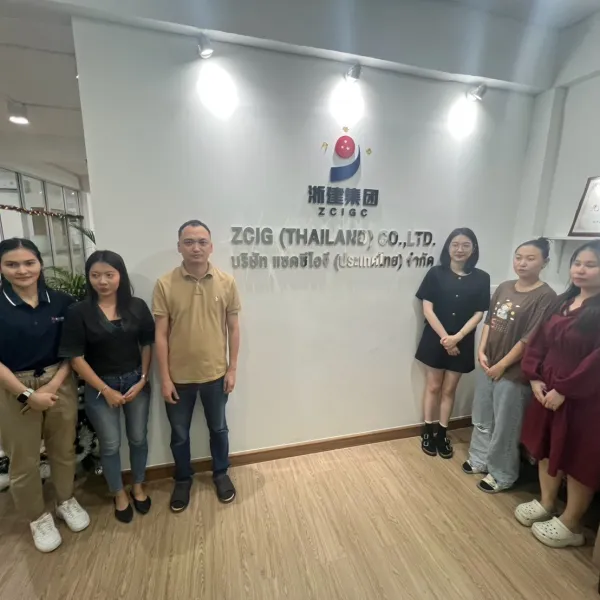
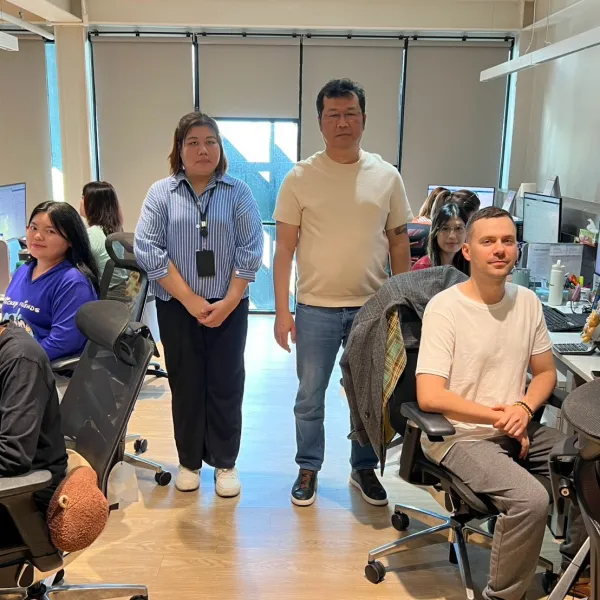
We are a legally registered company in Thailand with a real office, real staff on the job, and management that operates transparently and can be verified. You can be confident in the security of your data and reduce the risk of being deceived by fraudsters.

Expertise in Processing

Our team has over 10 years of expertise and experience in filing visas and work permits, where the requirements are constantly changing. We provide you with the most accurate and up-to-date information, increasing your chances of approval and reducing redundancy. You can be confident that no detail will be missed.

Systematic Management

We manage visa and work permit matters systematically, from the very start through to the day of approval, with advance reminders before the expiry date and after-sales consultation, so that renewals or changes to your information are handled correctly and within the required timeframe.

A Full-Service Solution

Our services cover Non-B, DTV, Retirement Visa, Marriage Visa, dependent children, and work permits, including add-on services after your visa is granted such as the 90-day report. We make doing business in Thailand as smooth as possible: caring for you, planning, preparing documents, filing applications, and following up on results.

The Clients Who Trust Us to Take Care of Them

Individuals and Digital Nomads

Ideal for foreigners who wish to stay or work in Thailand, both short-term and long-term, whether they are business travelers, long-stay tourists, or remote workers. We are ready to help plan the right visa type to match your lifestyle, so that your life in Thailand is lawful and smooth from the very first day you arrive.

Small and Medium-Sized Enterprises (SMEs)

We are a partner that helps ease the burden for small and medium-sized companies that have foreign executives or employees on staff. We professionally handle the management of visa and work permit documents so that business owners can devote their time fully to running the business, without worrying about complex regulations.

Large Organizations & Multinationals

For large companies that require advanced management systems, we are ready to serve as your outsourced support team, handling visa and work permit matters on a full-service basis with the highest standards of data security and an accurate status-reporting system, to efficiently support a large number of employees.

Overseas Partner Companies

We act as a strategic representative and intermediary for business groups or organizations that must coordinate with foreign companies, focusing on resolving immediate issues and urgent cases that demand a high level of expertise, so that international business cooperation proceeds without interruption and in full compliance with all government requirements.


client-1
client-2
client-3
client-4
client-5
client-6
client-7
client-8
client-9
client-10
client-11
client-12
client-13
client-14
client-15
888 Logistics
Airport Rail Link
Andrew Biggs Academy
DP Architects
Food Project
Horizon Group
Index International Group
Jack Chia Industries (Thailand)
KNC Intergroup
Marco Polo
Man Kitchen
Mojo International
client-16
client-17
client-18
client-19
client-20
client-21
Noah Ark Global Consortium
Pro Tech Asia
Rest N Go
Sunshine
TrolMaster
Vietnam Airlines
Yamato Unyu
One2Car
Wearnes
Yamada Thailand
ช.การช่าง
Speed Horse
Why us?

What makes ETHAIVISA No. 1 for the DTV Visa

เชี่ยวชาญด้าน วีซ่าทำงานและวีซ่าธุรกิจ

Strategic Planning

Planning document submission to align with company structure and job position

กิจกรรมหลากหลาย

End-to-End Service

Full-service care from start to finish until you receive your visa and work permit

บริการแบบมืออาชีพ

Time-Saving

Save time and reduce risk with a rigorous document-review system before actual submission

ปลอดภัย

Industry Support

Supporting small, medium, large, and public companies, through to the entertainment and digital industries

Review

Customer Reviews

4.9
Write a Review on Google

We would like to thank all of our customers for trusting us to be part of taking care of your visa matters, including Work Visas, Retirement Visas, and Marriage Visas, as well as all forms of visa changes, amendments, and cancellations. We are ready to care for you with genuine, dedicated service for as long as you continue to use our services. Thank you. Read All Reviews
-
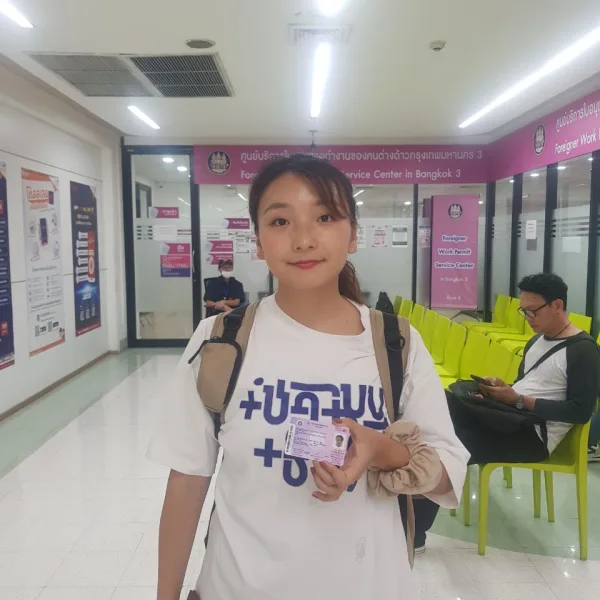
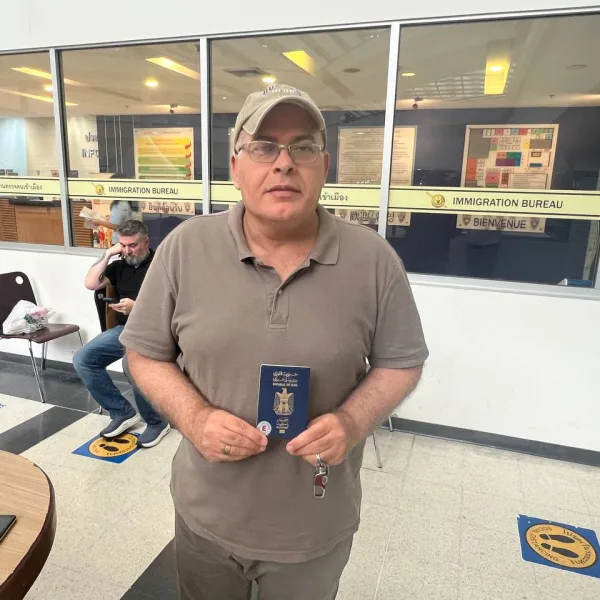
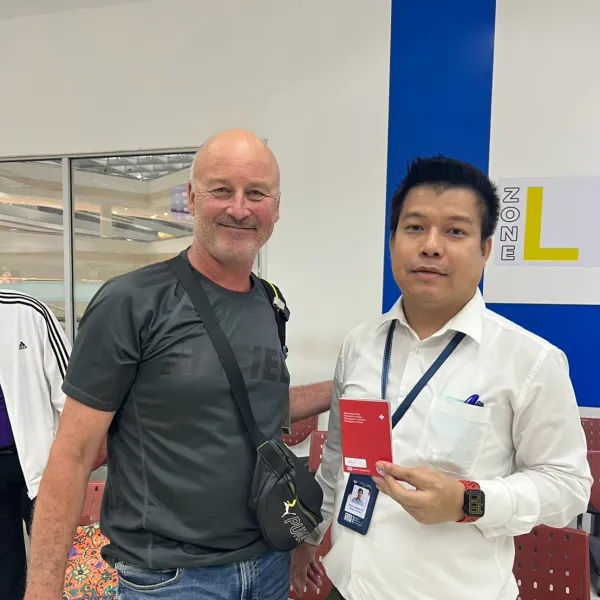
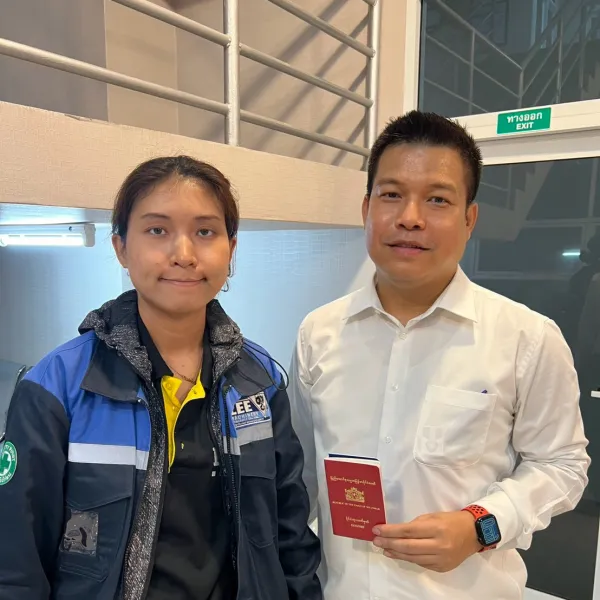
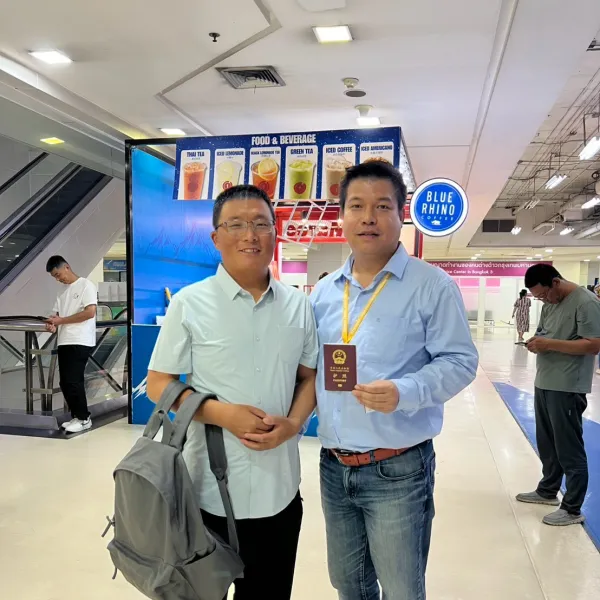
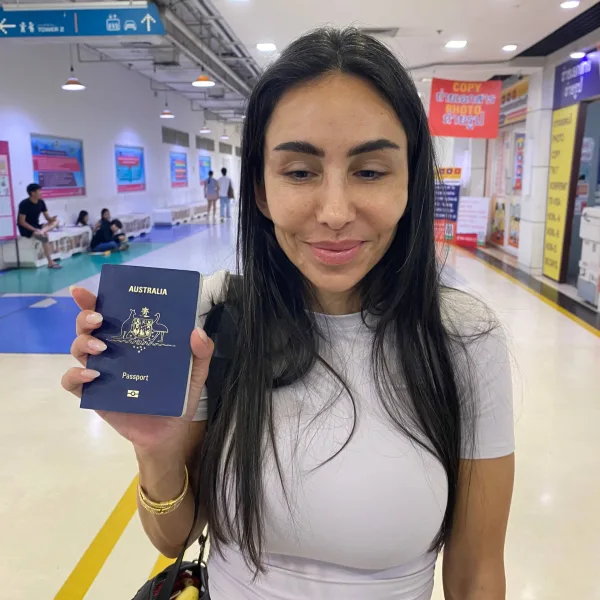
Passport Return📘

🙏 Thank you for trusting our company with your passport return service.

We are delighted to assist you and ensure your passport has been safely delivered ✈️📘

We look forward to serving you again in the future 💙

-
Apply to change visa to Non-B (90 days)

Thank you very much to the team 🙏 for successfully handling the change to a Non-B 90-day visa ✔️. The service was fast ⚡ professional 👩‍💼👨‍💼 and the advice was excellent 💬. There was nothing to worry about because the team took care of every step 📝. If anyone is looking for a visa change service, I highly recommend this place ⭐ Truly great service! 💯

-
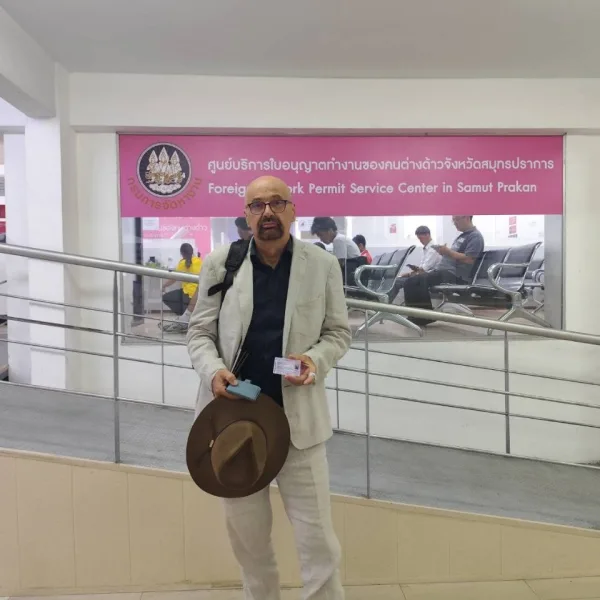
📄💼 NON-B Visa Extension

🙏✨ Thank you for trusting us with your NON-B visa extension.

We are delighted to assist you through every step of the process 💼📄

Wishing you success and happiness during your stay and work in Thailand 🇹🇭💙

We look forward to serving you again in the future 😊

-
Work Permit application service

🙏 Thank you for trusting and using our Work Permit application service.

We truly appreciate the opportunity to assist you and look forward to serving you again in the future ✨

-
Work Visa and Work Permit Renewal

🙏 Thank you to all our valued customers for trusting us with your Work Visa & Work Permit renewal 💼✨

We are delighted to assist you through every step smoothly, conveniently, and legally 💙

We look forward to serving you again in the future 😊

-
1-Year Non-B Visa Renewal

🙏 Thank you for trusting us with your 1-Year Non-B Visa Renewal.

We are truly happy to assist and make the process smooth and hassle-free for you 💼✨

We look forward to serving you again in the future 💙

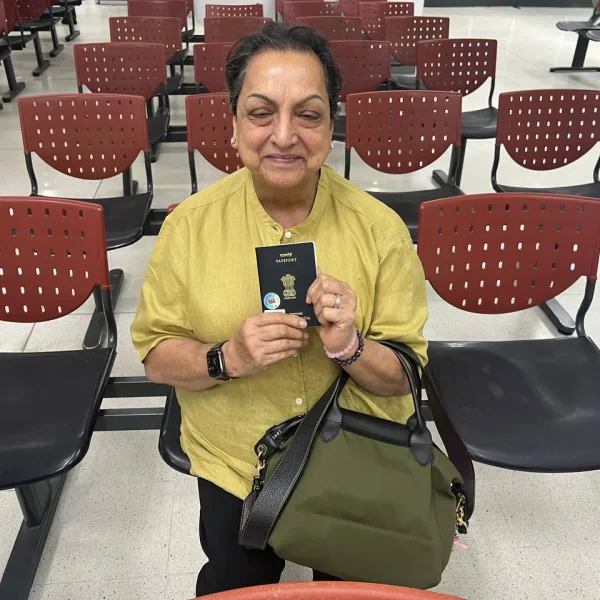
Mrs. Neeru Sood
90-Day Visa Conversion

🙏 Thank you Mrs. Neeru Sood for trusting and using our service for your 90-day visa change ✈️📄

We truly appreciate your support and look forward to serving you again in the future 💕

-
Apply for a Work Permit

Thank you for choosing our Work Permit services! We wish you great success and a smooth journey in your career. We’re always here to help! 💼🤝

-
📌 Convert Tourist Visa to Retirement Visa

🙏💖 We sincerely thank you for trusting us to assist with your visa conversion from a tourist visa to a retirement visa

✨ Our team is dedicated to providing professional service with attention to every detail

to ensure you have the best possible visa application experience

✈️ We truly hope to have the opportunity to serve you again in the future


Countries We Serve